Biomass: Bioeconomy Explained
Introduction to Biomass
Biomass refers to organic material derived from living or recently living organisms, primarily plants and animals. It is a renewable energy source that can be converted into various forms of energy, including heat, electricity, and biofuels. The significance of biomass in the context of the bioeconomy cannot be overstated, as it represents a sustainable alternative to fossil fuels and contributes to the reduction of greenhouse gas emissions.
Biomass can be categorized into several types, including agricultural residues, forestry products, and organic waste. Each of these categories plays a crucial role in the bioeconomy by providing raw materials for energy production, bioproducts, and biochemicals. The utilization of biomass not only helps in energy generation but also promotes waste management and resource recovery, thereby contributing to a circular economy.
The potential of biomass as a renewable resource is vast, with estimates suggesting that it could supply a significant portion of the world's energy needs. However, the sustainable management of biomass resources is essential to ensure that their use does not lead to negative environmental impacts, such as deforestation or loss of biodiversity.
Types of Biomass
1. Agricultural Biomass
Agricultural biomass includes crop residues, such as straw, husks, and stalks, as well as dedicated energy crops like switchgrass and miscanthus. These materials are often abundant and can be harvested sustainably without compromising food production. Agricultural biomass can be converted into biofuels, such as ethanol and biodiesel, through various processes including fermentation and transesterification.
In addition to energy production, agricultural biomass can also be used to create bioproducts, such as biodegradable plastics and fertilizers. The integration of biomass into agricultural practices can enhance soil health and reduce reliance on synthetic inputs, promoting a more sustainable agricultural system.
Moreover, the use of agricultural biomass contributes to carbon sequestration, as the growth of crops absorbs carbon dioxide from the atmosphere. This dual benefit of energy production and carbon management positions agricultural biomass as a key player in the transition to a low-carbon economy.
2. Forestry Biomass
Forestry biomass encompasses wood residues from logging operations, sawmills, and wood processing industries, as well as whole trees and branches that are not suitable for timber production. This type of biomass is often utilized for energy generation through combustion or gasification processes, providing a renewable source of heat and electricity.
The sustainable management of forests is critical to ensure that forestry biomass can be harvested without depleting forest resources. Practices such as selective logging, reforestation, and agroforestry can enhance the sustainability of biomass production from forests. Additionally, forestry biomass can be converted into high-value products, such as biochar, which improves soil fertility and sequesters carbon.
Forestry biomass also plays a vital role in rural economies, providing jobs and income for communities engaged in forest management and biomass production. The development of local biomass supply chains can enhance energy security and reduce dependence on fossil fuels, contributing to the overall resilience of rural economies.
3. Organic Waste Biomass
Organic waste biomass includes food waste, yard waste, and other biodegradable materials that are typically discarded in landfills. The conversion of organic waste into energy through anaerobic digestion or composting not only reduces landfill waste but also generates biogas, which can be used for heating, electricity generation, or as a vehicle fuel.
Utilizing organic waste biomass contributes to a circular economy by transforming waste into valuable resources. This process not only mitigates the environmental impacts associated with waste disposal but also reduces greenhouse gas emissions from landfills. Furthermore, the byproducts of organic waste processing, such as digestate, can be used as a nutrient-rich fertilizer, enhancing soil health and promoting sustainable agriculture.
Innovative technologies and practices for organic waste management are continually being developed, including community composting programs and anaerobic digestion facilities. These initiatives not only provide environmental benefits but also foster community engagement and awareness of sustainable waste management practices.
Biomass Conversion Technologies
1. Thermochemical Conversion
Thermochemical conversion involves the use of heat and chemical processes to convert biomass into energy and other valuable products. This category includes processes such as combustion, gasification, and pyrolysis. Each of these methods has its unique advantages and applications in the bioeconomy.
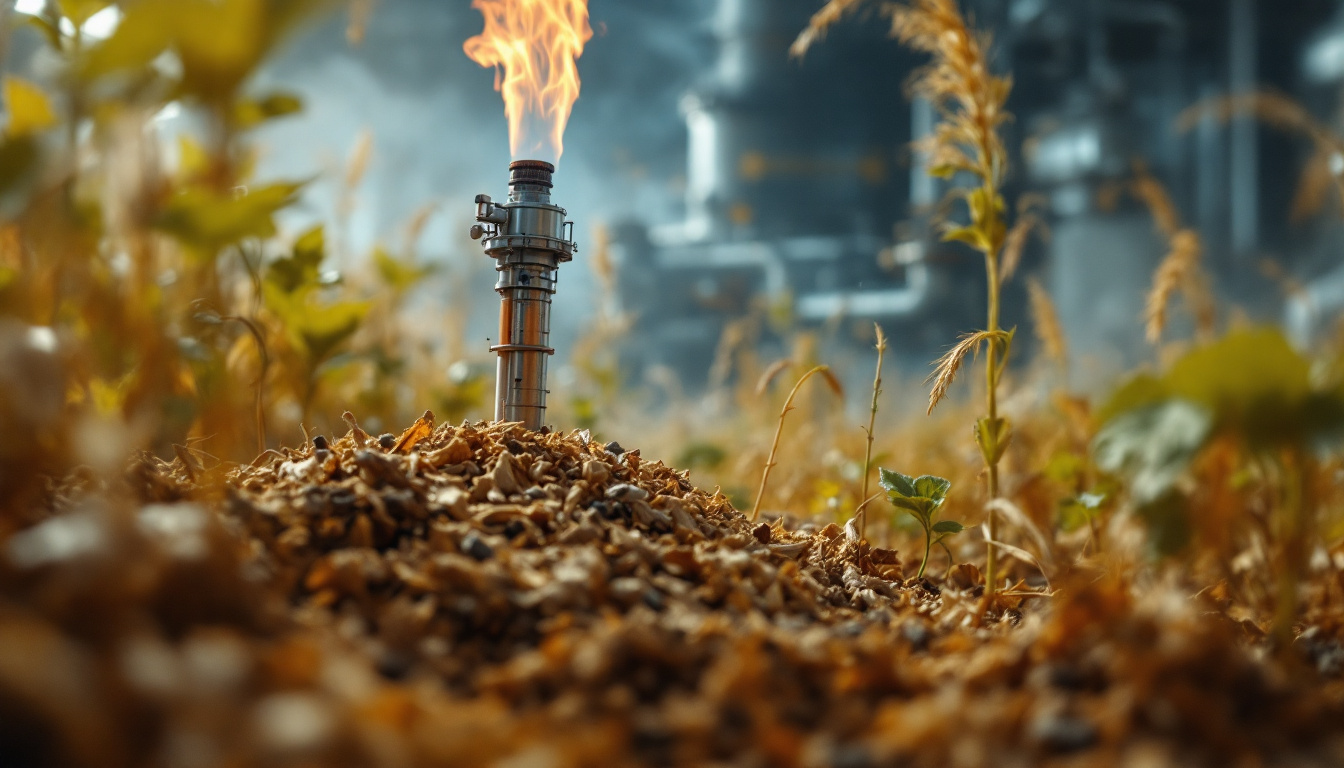
Combustion is the most straightforward method of biomass conversion, where biomass is burned to produce heat, which can be used for electricity generation or direct heating. Gasification, on the other hand, converts biomass into syngas (a mixture of hydrogen and carbon monoxide) through partial oxidation at high temperatures. This syngas can be further processed into biofuels or chemicals.
Pyrolysis is another thermochemical process that involves heating biomass in the absence of oxygen, resulting in the production of bio-oil, biochar, and syngas. Bio-oil can be refined into transportation fuels, while biochar has applications in soil enhancement and carbon sequestration. The versatility of thermochemical conversion technologies makes them essential for maximizing the value of biomass resources.
2. Biological Conversion
Biological conversion utilizes microorganisms to convert biomass into biofuels and bioproducts through processes such as fermentation and anaerobic digestion. Fermentation is commonly used to produce ethanol from sugars derived from biomass, while anaerobic digestion breaks down organic matter in the absence of oxygen to produce biogas.
The biological conversion of biomass is particularly advantageous due to its lower energy requirements compared to thermochemical methods. Additionally, it can be applied to a wide range of biomass feedstocks, including agricultural residues and organic waste. The development of advanced fermentation technologies and genetically engineered microorganisms is enhancing the efficiency and yield of biological conversion processes.
Moreover, the integration of biological conversion into existing waste management systems can significantly reduce waste and promote resource recovery. This approach aligns with the principles of the bioeconomy, fostering sustainable practices that benefit both the environment and the economy.
The Role of Biomass in the Bioeconomy
The bioeconomy encompasses the production and utilization of renewable biological resources to provide food, energy, and industrial products. Biomass plays a central role in this framework by serving as a key feedstock for various applications, including biofuels, bioplastics, and biochemicals. The transition to a bioeconomy is driven by the need to reduce greenhouse gas emissions, enhance energy security, and promote sustainable resource management.

By leveraging biomass resources, countries can reduce their reliance on fossil fuels and mitigate the impacts of climate change. The development of biomass-based industries can also stimulate economic growth, create jobs, and enhance rural development. Policymakers and stakeholders are increasingly recognizing the importance of biomass in achieving sustainability goals and transitioning to a circular economy.
Furthermore, the integration of biomass into existing supply chains can enhance resilience and adaptability in the face of global challenges, such as resource scarcity and climate change. The promotion of sustainable biomass practices and technologies is essential for realizing the full potential of biomass in the bioeconomy.
Challenges and Opportunities
1. Sustainability Concerns
While biomass presents numerous benefits, its sustainable management is crucial to avoid negative environmental impacts. Unsustainable harvesting practices can lead to deforestation, habitat loss, and soil degradation. Therefore, it is essential to implement best practices for biomass production, including responsible sourcing, land-use planning, and ecosystem conservation.
Additionally, the competition between biomass for energy and food production raises concerns about food security. Policymakers must carefully balance the use of biomass for energy with the need to maintain agricultural productivity and ensure food availability. This challenge necessitates the development of integrated approaches that prioritize sustainability and resource efficiency.
Research and innovation in biomass production and conversion technologies can help address these sustainability concerns. The adoption of agroecological practices, improved crop varieties, and advanced biomass processing methods can enhance the sustainability of biomass utilization while maximizing its benefits.
2. Economic Viability
The economic viability of biomass as a renewable resource is influenced by various factors, including market demand, production costs, and government policies. The establishment of supportive regulatory frameworks and incentives for biomass production and utilization is essential for fostering investment and innovation in the bioeconomy.
Furthermore, the development of local biomass supply chains can enhance economic opportunities for rural communities and promote energy independence. By creating value-added products from biomass, such as biofuels and bioproducts, regions can stimulate economic growth and job creation.
Collaboration among stakeholders, including farmers, industry, and government, is vital for overcoming economic barriers and promoting the sustainable development of biomass resources. Public-private partnerships and research initiatives can drive innovation and create a favorable environment for biomass-based industries.
Conclusion
Biomass is a cornerstone of the bioeconomy, offering a renewable and sustainable alternative to fossil fuels. Its diverse applications in energy production, waste management, and bioproduct development underscore its significance in addressing global challenges such as climate change and resource scarcity. The sustainable management of biomass resources, coupled with advancements in conversion technologies, can unlock the full potential of biomass in promoting a circular economy and fostering sustainable development.
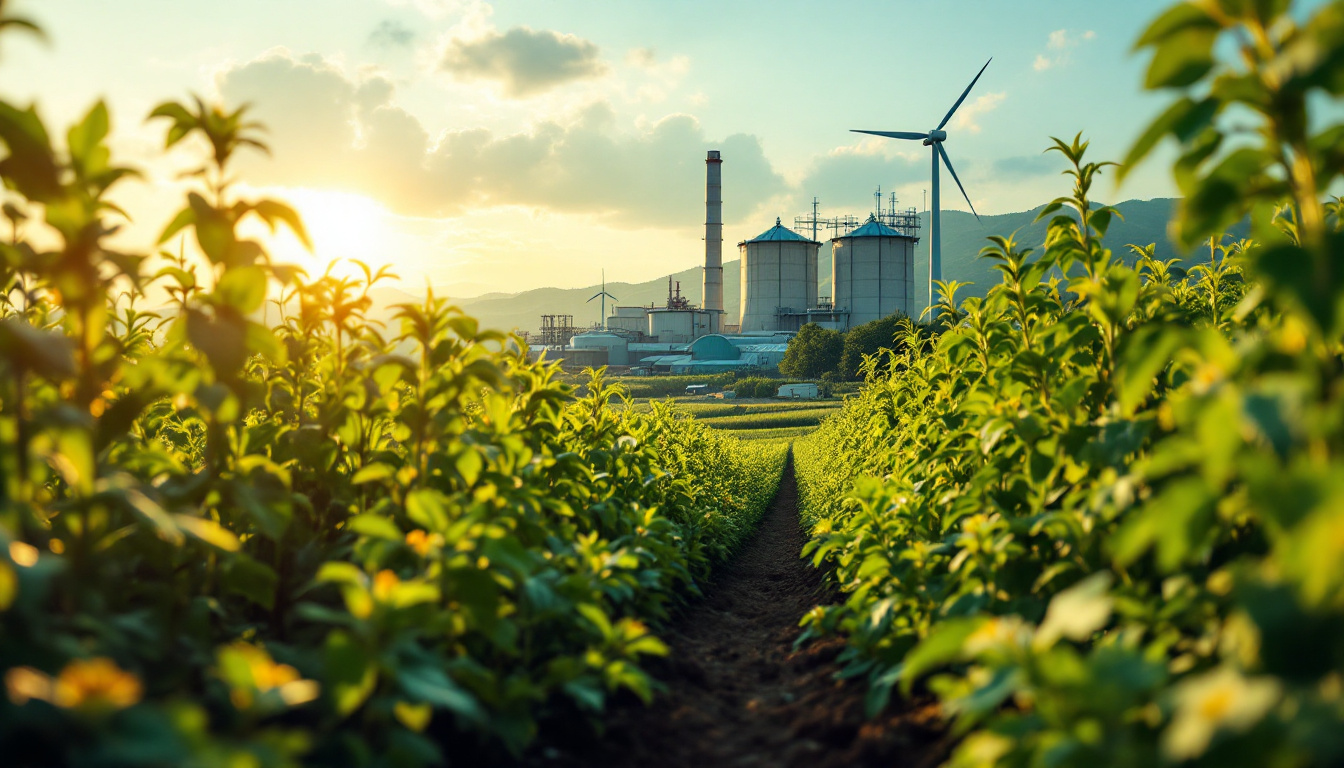
As the world transitions towards a more sustainable future, the role of biomass will continue to evolve, presenting both challenges and opportunities. By prioritizing sustainability, innovation, and collaboration, stakeholders can harness the power of biomass to create a resilient and thriving bioeconomy that benefits both people and the planet.
Discover Your Bioeconomy Potential with Nexus
Ready to transform the possibilities of biomass into tangible, bankable projects? Nexus is your gateway to a smarter, data-driven bioeconomy. Our platform empowers you to make informed decisions, streamline your workflow, and unlock the full potential of biomass resources. Don't let uncertainty hold you back. Get Started with Nexus today and revolutionize your bioeconomy projects with confidence and efficiency.