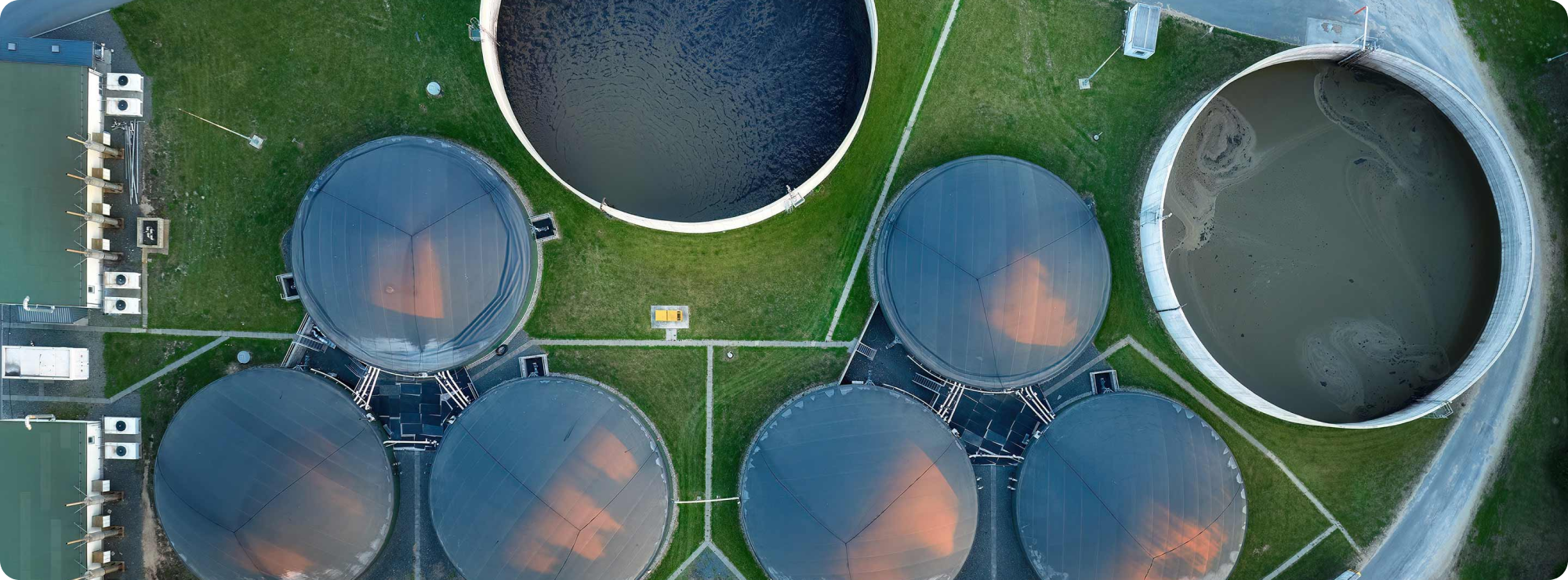
Where this material goes. Where it should go.
Stream API is one programmatic interface to both. Optimize routing for cost, climate, or both. Verify what your vendors are telling you. Per material, per location, per decision. Built for organizations managing waste at scale, and the leaders accountable for where it ends up.
Planning a corporate integration? Talk to us.
How Stream API fits into your work
 01
01 Single queries
Find facilities near a location that handle a given material. Verify a hauler's diversion claim. Get a cost-optimized route for a single shipment. Sign up, query, no integration required.
 02
02 ESG verification and reporting
Verify the diversion rates your vendors are reporting. Audit Scope 3 emissions against actual disposal pathways. Build evidence that holds up to investor questions, audit reviews, and regulator scrutiny.
 03
03 Multi-site optimization
Optimize routing across every location you operate: minimize cost, minimize emissions, or both. See where each material should go before you commit to a vendor contract. Catch the locations where you're paying above market.
 04
04 Operational integration
Wire Stream into your ERP, your procurement workflows, your ESG reporting feeds. Every waste decision your operations team makes pulls live intelligence from the same source. Every report your sustainability team ships uses the same underlying data.
Wire waste intelligence into the systems your team already uses.
Built for your data team
REST API with key-based authentication. Two free endpoints to test without a paid subscription. MCP-compatible for AI agent workflows. Per-request credit costs that draw from your Wastenaut subscription, no surprise rate-limit tiers. Full endpoint reference, SDKs, and integration patterns in the docs.
See the Stream API docs →Pricing
Stream API is included in every Wastenaut subscription. API requests consume credits from your monthly allocation, with costs varying by request type and complexity. Two free endpoints let you test without a paid subscription.
See pricing →Try it now. Or plan an integration.
Start free. Sign up and make your first query in minutes. Talk to us. For corporate integrations and contracted access.